
by Steve | Nov 13, 2025 | Blogs
In today’s fast-paced digital world, a reliable internet connection is essential for work, study, and entertainment. However, many Australians struggle with slow broadband speeds, especially in regional or remote areas. The good news? You don’t always need to upgrade your internet plan to experience faster connectivity. With the right strategies and the help of portable broadband solutions, you can significantly enhance your internet performance without spending extra on higher-tier plans.
Let’s explore how you can boost your broadband connectivity while keeping your costs steady.
Understanding Portable Broadband and Its Benefits
Portable broadband is one of the most flexible and efficient ways to access the internet. Unlike traditional fixed-line connections, portable broadband relies on mobile networks (4G or 5G) to provide internet access through a modem or hotspot device.
Here’s why Australians are increasingly turning to portable broadband:
- Mobility and Flexibility: You can take your internet connection wherever you go whether you’re travelling for work, studying remotely, or moving between properties.
- Quick Setup: There’s no need for complex installation or technician visits. Just plug in your portable modem, and you’re ready to connect.
- Backup Connectivity: Even if your fixed-line broadband drops out, portable broadband ensures you stay connected.
- Cost Efficiency: It’s a practical way to improve connectivity without upgrading your main plan.
If your broadband seems sluggish, integrating a portable broadband device can be a smart and cost-effective alternative.
Optimise Your Router and Placement
One of the simplest ways to enhance your internet performance is by optimising your router. The placement of your router can have a major impact on your signal strength and speed.
Tips for better router performance:
- Place it centrally: Position your router in a central, elevated area of your home or office.
- Avoid obstacles: Keep it away from thick walls, metal objects, and electronic devices that can interfere with signals.
- Update firmware: Ensure your router’s software is up to date to maintain peak performance.
- Use dual-band Wi-Fi: Switch between 2.4GHz (for long range) and 5GHz (for faster speeds).
Pairing these adjustments with portable broadband can further enhance your network coverage and reliability.
Use Signal Boosters and Antennas
If you’re in a rural or regional area, weak mobile network signals can impact your broadband performance. A simple solution is to use a signal booster or external antenna designed for portable broadband devices.
How these devices help:
- They strengthen weak signals from mobile towers.
- They provide a stable connection for streaming, video calls, and online work.
- They reduce lag and buffering issues.
This setup allows your portable broadband to perform at its best, even in low-signal environments.
Manage Your Bandwidth and Connected Devices
Sometimes, slow internet isn’t caused by your plan—it’s due to multiple devices sharing the same connection. Smartphones, smart TVs, and IoT gadgets all consume bandwidth, slowing everything down.
To maximise your broadband efficiency:
- Disconnect devices not in use.
- Limit background updates or downloads.
- Schedule large uploads or backups during off-peak hours.
- Use Quality of Service (QoS) settings on your router to prioritise important devices.
Combining good bandwidth management with portable broadband ensures smooth and consistent online performance without paying for a plan upgrade.
Take Advantage of Portable Broadband Hotspots
A portable broadband hotspot is a small, battery-powered device that connects to the mobile network and creates a Wi-Fi zone for multiple devices.
Why portable broadband hotspots are ideal:
- Perfect for travel: Whether you’re in a caravan or at the beach, stay connected on the go.
- No installation needed: Simply turn it on and connect your devices.
- Secure connection: Offers more privacy compared to public Wi-Fi.
- Flexible usage: Great for households, students, and small business owners who need internet access across multiple locations.
With a portable broadband hotspot, you can enjoy a high-speed connection without relying solely on fixed-line services.
Switch to the Best Network Provider for Your Area
Even the best router or device won’t help much if your network provider doesn’t have strong coverage in your location. Before considering an upgrade, check which carrier offers the most reliable network in your area.
Websites like Yawuru IT Group provide solutions and insights for improving portable broadband connectivity. A quick switch to a provider with better infrastructure can dramatically improve your connection speeds no plan upgrade required.
Regularly Test and Monitor Your Internet Speed
Monitoring your internet speed helps identify patterns and potential issues. Use tools like Speedtest by Ookla or Fast.com to measure your download and upload speeds.
If you notice fluctuations, try these troubleshooting steps:
- Reboot your router and portable broadband device.
- Disconnect unnecessary devices.
- Move your device closer to a window or open space.
Tracking performance helps ensure your portable broadband setup continues to deliver strong and consistent results.
Conclusion
Improving your broadband doesn’t always mean spending more. With the right mix of strategic adjustments and smart use of portable broadband, Australians can enjoy faster, more reliable internet without upgrading their plan.
By optimising your router placement, managing connected devices, using signal boosters, and leveraging portable broadband hotspots, you can make the most of your current setup. Whether you’re working remotely, streaming your favourite shows, or running a business, a smarter connection is always within reach.
For expert assistance and reliable connectivity solutions, explore Yawuru IT Group, your trusted partner in Australian portable broadband innovation.

by Steve | Nov 6, 2025 | Blogs
In today’s digital age, having a reliable internet connection is crucial for work, education, entertainment, and communication. Australians are increasingly exploring different internet options to suit their home needs, and one key consideration is whether to choose fixed broadband or mobile broadband connectivity. Each option has its advantages and limitations, and understanding the differences can help homeowners make informed decisions.
What Is Mobile Broadband Connectivity?
Mobile broadband connectivity uses a wireless network to provide internet access, typically via a SIM card in a modem, mobile router, or even a smartphone. Unlike fixed broadband, which relies on cables or fibre connections, mobile broadband allows for flexibility and mobility. Users can access the internet from virtually anywhere within the coverage area, making it a convenient solution for households that value portability.
Key Features of Mobile Broadband Connectivity
- Portability: Mobile broadband allows users to move their devices around the home or even take the connection on the go.
- Wireless Setup: No complex wiring or installation is needed, making it ideal for rental properties or temporary homes.
- Flexible Plans: Many providers offer pay-as-you-go or month-to-month plans, allowing users to manage costs effectively.
- Backup Connectivity: Mobile broadband can serve as a reliable backup if fixed broadband experiences outages.
Fixed Broadband vs Mobile Broadband Connectivity
When deciding between fixed broadband and mobile broadband connectivity, it’s important to consider factors such as speed, reliability, cost, and usage requirements.
1. Speed and Performance
Fixed broadband, particularly fibre-optic connections, usually offers higher and more consistent speeds than mobile broadband. This makes it ideal for households with multiple users streaming videos, gaming, or working from home simultaneously.
Mobile broadband speeds can vary depending on network coverage, signal strength, and network congestion. While newer 4G and 5G networks offer faster connections, performance may still fluctuate during peak hours or in areas with weak reception.
2. Reliability
Fixed broadband provides a stable and consistent connection, unaffected by weather conditions or mobile network traffic. For households relying on uninterrupted video conferencing or online gaming, fixed broadband is often the preferred choice.
Mobile broadband connectivity, while generally reliable in urban areas, can be affected by environmental factors, distance from cell towers, and network congestion.
3. Flexibility and Mobility
One of the main advantages of mobile broadband connectivity is flexibility. Unlike fixed broadband, it doesn’t tie users to a single location. This makes it suitable for renters, travellers, or those who frequently move homes.
Fixed broadband, on the other hand, requires installation at a specific address. While it offers superior speed and reliability, it lacks the mobility that mobile broadband provides.
4. Cost Considerations
Fixed broadband plans often involve installation fees and long-term contracts but typically offer better value for heavy internet users due to unlimited data options.
Mobile broadband connectivity usually has lower upfront costs and short-term contracts, but data limits may apply, and exceeding these limits can result in additional charges. Therefore, understanding your household’s internet usage is crucial before deciding.
Who Should Consider Mobile Broadband Connectivity?
Mobile broadband connectivity is ideal for:
- Households with light internet usage such as browsing, social media, and email
- Renters or those who move frequently and need a flexible solution
- Users who require internet access in multiple locations or outdoors
- Individuals looking for a backup connection in case of fixed broadband outages
It’s also suitable for people in regional areas where fixed broadband infrastructure may be limited or unavailable.
Tips for Choosing the Right Internet Option
- Assess Your Usage Needs: Consider how many devices and users will be online simultaneously.
- Check Coverage: For mobile broadband, ensure strong network coverage in your area to avoid connectivity issues.
- Compare Plans: Look at data limits, speeds, and costs for both fixed and mobile broadband options.
- Consider Future Needs: Choose a solution that can accommodate growing usage, remote work, or streaming demands.
Conclusion
When deciding between fixed broadband and mobile broadband connectivity, it’s essential to weigh speed, reliability, mobility, and cost. Fixed broadband offers superior performance and stability, making it ideal for high-demand households. Meanwhile, mobile broadband provides flexibility, portability, and convenience, particularly for those with light usage or frequent relocations.
For Australians seeking reliable internet solutions, understanding the benefits of mobile broadband connectivity can help make informed decisions that suit both lifestyle and household needs. To explore flexible and high-performance internet options, with Yawuruit Group, discover solutions designed to keep your home connected efficiently.

by Steve | Oct 24, 2025 | Blogs
In today’s fast-paced digital world, Internet Connectivity has become as essential as electricity for both businesses and homes. From cloud-based applications to video conferencing and online transactions, a stable and fast internet connection is the backbone of productivity and communication. Yet, poor Internet Connectivity can have severe financial, operational, and reputational consequences often more than most people realise.
Let’s uncover the hidden costs of unreliable Internet Connectivity and explore how you can avoid them to keep your business running smoothly.
How Poor Internet Connectivity Affects Productivity
When employees spend extra minutes waiting for emails to load or video calls to reconnect, those lost moments add up. Poor Internet Connectivity directly impacts productivity across every level of your organisation.
- Wasted work hours: Slow or unstable connections interrupt daily workflows and cause delays in essential operations.
- Reduced collaboration: Cloud tools like Microsoft Teams, Google Workspace, or Zoom rely heavily on consistent Internet Connectivity. When they lag or disconnect, communication breaks down.
- Employee frustration: Continuous disruptions can lead to stress and dissatisfaction, affecting morale and performance.
For small to medium-sized businesses, even minor delays can translate into lost revenue and missed opportunities.

The Financial Costs of Poor Internet Connectivity
The financial implications of unreliable Internet Connectivity go beyond just downtime. Businesses often face direct and indirect costs that can quickly escalate:
- Lost sales opportunities: When e-commerce websites or customer portals experience downtime, potential customers move to competitors.
- Increased IT expenses: Repeated troubleshooting, temporary fixes, or hardware replacements can strain IT budgets.
- Missed deadlines: Unstable Internet Connectivity can delay project submissions or data transfers, resulting in penalties or loss of trust.
According to industry research, even one hour of downtime can cost small businesses thousands of dollars, a cost that reliable connectivity can easily prevent.
The Security Risks Linked to Poor Internet Connectivity
Beyond productivity and financial losses, weak Internet Connectivity can open the door to cyber risks. When connections drop or slow down, security protocols may fail to function properly. This can lead to:
- Incomplete data backups: Interrupted uploads can corrupt files or leave sensitive information exposed.
- Vulnerable connections: Businesses relying on outdated routers or networks may be at higher risk of cyberattacks.
- Inconsistent updates: Systems that can’t connect properly to update servers are more prone to malware and security breaches.
By ensuring consistent and secure Internet Connectivity, businesses can maintain both operational efficiency and digital safety.
The Impact on Customer Experience and Brand Reputation
Customers expect seamless communication and service. Poor Internet Connectivity can make even the most well-intentioned business look unreliable.
- Delayed responses: Customer service teams relying on cloud systems may face lag in responding to clients.
- Interrupted transactions: Payment gateways or booking systems can fail, leading to lost customers and reduced trust.
- Negative reviews: Frequent downtime can harm your online reputation, impacting long-term growth.
For any business in Australia, where digital interaction is becoming the norm, stable connectivity isn’t just a convenience it’s a competitive advantage.
How to Avoid the Pitfalls of Poor Internet Connectivity
While the risks are significant, the good news is that these issues are preventable. With proactive measures and expert guidance, you can strengthen your Internet Connectivity and avoid unnecessary costs.
- Choose a Reliable Internet Service Provider (ISP):
Opt for a provider known for stable connections, consistent speeds, and strong customer support. A locally trusted company like Yawuru IT Group can provide customized solutions tailored to your business needs.
- Conduct Regular Network Audits:
Periodic checks help identify bottlenecks, outdated equipment, or security vulnerabilities before they become major problems.
- Invest in Quality Hardware:
Modern routers, modems, and firewalls can make a significant difference in maintaining steady Internet Connectivity.
- Implement Redundant Connections:
Backup connections or failover systems ensure you remain online even during unexpected outages.
- Prioritise Network Security:
Combine stable connectivity with cybersecurity measures to safeguard your systems and data.
Why Businesses in Australia Should Prioritise Reliable Internet Connectivity
Australia’s digital transformation continues to accelerate, making high-quality Internet Connectivity a must-have for every business from regional enterprises to urban start-ups. Reliable connections empower businesses to:
- Scale operations through cloud technology.
- Support remote and hybrid work models.
- Improve customer engagement through digital platforms.
- Protect against costly downtime and cyber threats.
Partnering with an experienced IT service provider like Yawuru IT Group ensures your connectivity solutions align with your business goals and growth strategy.
Conclusion
The hidden costs of poor Internet Connectivity extend far beyond slow downloads or buffering videos. They can affect your bottom line, employee productivity, customer satisfaction, and even data security.
By investing in reliable connectivity solutions and proactive IT management, you not only avoid unnecessary costs but also set your business up for sustained growth and success.
If you’re looking to enhance your business’s Internet Connectivity and performance, Yawuru IT Group offers tailored networking and IT support solutions designed to keep you connected always.
by Steve | Oct 15, 2025 | Blogs
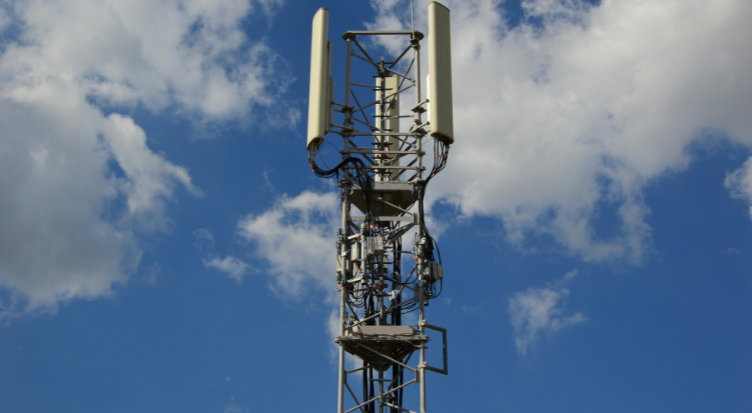
Access to a reliable internet connection is no longer a luxury, it’s a necessity. Whether it’s for work, education, or entertainment, staying connected is essential for daily life. However, for people living in rural or remote areas, finding affordable internet providers that deliver strong and consistent speeds can be a real challenge. Satellite internet has long been a go-to option, but today, more affordable and reliable alternatives are becoming available.
In this guide, we’ll explore how affordable internet providers compare with satellite internet, the pros and cons of each, and how to make the best choice for your rural home or business.
Understanding Affordable Internet Providers in Rural Areas
When we talk about affordable internet providers, we refer to companies that offer budget-friendly, high-speed connectivity through various technologies such as fiber, DSL, fixed wireless, or mobile broadband. These providers focus on delivering cost-effective internet plans without compromising reliability.
With advancements in technology, rural internet access has significantly improved. Providers like Yawuru IT Group are bridging the digital divide by offering innovative solutions that cater to remote communities, ensuring everyone can stay connected affordably and efficiently.
Key benefits of affordable internet providers:
- Competitive pricing: Flexible plans suited to different budgets.
- Better speed consistency: Less interference compared to satellites.
- Customizable packages: Plans tailored for homes, schools, and small businesses.
- Local customer support: Personalized service and quicker issue resolution.
Satellite Internet – The Traditional Rural Option
For decades, satellite internet has been one of the few options for those living in isolated regions. It works by transmitting data between a satellite in space and a dish installed at your location. While it offers wide coverage, there are limitations that users should consider before choosing it over affordable internet providers.
Advantages of satellite internet:
- Available in nearly any location.
- Easy to set up where traditional cables can’t reach.
Drawbacks:
- High latency: Causes delays during video calls or gaming.
- Weather interference: Rain and storms can reduce connectivity quality.
- Data caps: Limited data usage compared to other broadband options.
- Higher costs: Monthly fees and equipment costs are often more expensive.
For those who rely heavily on video conferencing, streaming, or online education, these limitations can make satellite internet less ideal.
Affordable Internet Providers Vs Satellite Internet – A Detailed Comparison
Let’s break down the major factors that help decide between affordable internet providers and satellite internet for rural users.
| Feature |
Affordable Internet Providers |
Satellite Internet |
| Cost |
Typically lower monthly costs |
Higher setup and subscription fees |
| Speed |
Faster and more stable |
Slower with higher latency |
| Reliability |
Consistent, less weather-dependent |
Affected by weather and obstructions |
| Data Limits |
Often unlimited or higher caps |
Strict data usage limits |
| Coverage |
Growing availability in rural areas |
Almost universal but costly |
| Customer Support |
Local and responsive |
Often outsourced or limited |
From the table above, it’s clear that affordable internet providers offer better value for money, especially when reliability and performance are priorities.
How to Choose the Right Affordable Internet Provider
Selecting the right provider involves more than just picking the cheapest plan. Here are some key factors to consider before signing up:
- Check coverage availability: Ensure the provider offers service in your rural area.
- Compare speed and bandwidth: Choose plans that support your household’s needs especially if multiple devices will be connected.
- Review contract terms: Look for no-contract or flexible plans.
- Assess customer service: Local providers like Yawuru IT Group often deliver faster and more personalized support.
- Look for community initiatives: Some providers offer discounted or subsidized plans for rural communities.
By analyzing these aspects, you can confidently pick an affordable internet provider that fits your budget and lifestyle.
Why Affordable Internet Providers Are the Future of Rural Connectivity
With the rapid growth of digital infrastructure, affordable internet providers are reshaping connectivity in rural regions. Unlike satellite solutions, these providers use innovative technologies such as fixed wireless and 4G/5G broadband to deliver faster, more dependable internet at a fraction of the cost.
This transformation is empowering rural households and small businesses to thrive online enabling remote work, virtual learning, and seamless access to online services. Companies like Yawuru IT Group are leading this change, ensuring no community is left behind in the digital age.
Conclusion
Choosing between affordable internet providers and satellite internet depends on your priorities whether it’s cost, reliability, or coverage. For most rural users, affordable internet providers are becoming the smarter, long-term solution. They offer stable connectivity, transparent pricing, and tailored support, making them ideal for households and businesses alike.
If you’re seeking a dependable and budget-friendly internet solution in rural Australia, explore the options available at Yawuru IT Group. With their focus on delivering high-quality, affordable internet services, you can enjoy seamless connectivity and unlock new opportunities no matter where you live.

by Steve | Sep 30, 2025 | Blogs
In today’s dynamic business landscape, staying connected is essential for productivity, collaboration, and success. Whether your team is working remotely, on-site, or travelling, reliable internet access is critical. This is where portable internet solutions come into play, offering seamless connectivity regardless of location.
At Yawuruit Group, we specialise in providing advanced portable internet options that empower your team to stay connected anytime, anywhere. This blog explores what portable internet is, why it’s a game-changer for modern businesses, and how you can leverage it for maximum efficiency.
What Is a Portable Internet and Why Does It Matter?
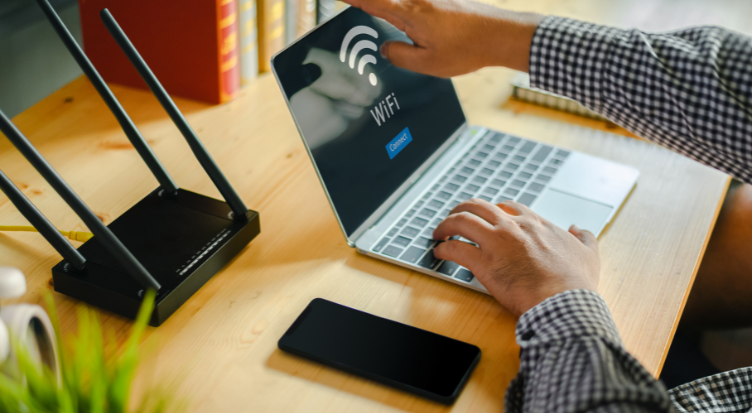
Portable internet refers to mobile internet solutions that provide wireless connectivity on the go. Unlike traditional fixed broadband connections, portable internet allows users to access the web through mobile hotspots, USB modems, or portable routers that connect to cellular networks.
With more businesses embracing remote work and flexible environments, the demand for portable internet has surged. It ensures that teams can communicate, access cloud-based applications, and share data securely without being tied to a fixed location.

Benefits of Portable Internet for Business Teams
1. Flexibility and Mobility
One of the biggest advantages of portable internet is the freedom it offers. Whether your team is working from a client site, attending events, or travelling, portable internet ensures they remain connected without interruption. This flexibility boosts productivity and enables real-time decision making.
2. Easy Setup and Use
Portable internet devices are user-friendly and quick to set up. There is no need for complex installations or waiting for wired connections. Just power on the device, connect via Wi-Fi, and your team can get online within minutes.
3. Cost-Effective Connectivity
For businesses that require internet access across multiple locations or temporary setups, portable internet can be more affordable than installing permanent broadband in every location. It reduces infrastructure costs and eliminates long-term contracts.
4. Reliable Backup Solution
Even in offices with fixed internet connections, having a portable internet device as a backup can safeguard against unexpected outages. This ensures continuous workflow and protects against data loss or communication breakdowns.
How Portable Internet Supports Remote Work and Hybrid Teams
With the rise of remote work and hybrid working models, maintaining reliable internet access for distributed teams is crucial. Portable internet enables employees to work from anywhere be it their home, co-working spaces, or while travelling without worrying about connectivity.
Businesses can equip employees with portable internet devices to guarantee secure access to company networks and cloud resources, promoting collaboration and efficiency. This is especially valuable for industries such as construction, consulting, event management, and sales.
Choosing the Right Portable Internet Solution for Your Business
When selecting a portable internet service, several factors should be considered to meet your team’s needs effectively:
1. Coverage and Network Reliability
Ensure that the portable internet provider offers strong cellular coverage in the areas where your team operates. Reliable signal strength translates to faster speeds and fewer disruptions.
2. Data Plans and Usage Limits
Evaluate your expected data consumption to select an appropriate plan. Some portable internet options offer unlimited data, while others have caps that may incur additional charges.
3. Security Features
Since business data is often sensitive, opt for portable internet devices that support secure connections, such as VPN compatibility and advanced encryption.
4. Device Compatibility
Check that the portable internet device works seamlessly with your team’s laptops, tablets, and smartphones.
Setting Up and Managing Portable Internet for Your Team
To get the most out of portable internet, proper setup and management are essential:
- Train employees on how to use portable internet devices effectively.
- Monitor data usage regularly to avoid overage fees.
- Implement security protocols to safeguard against cyber threats.
- Use management software or dashboards (if provided) to track connectivity and troubleshoot issues promptly.
Why Choose Yawuruit Group for Portable Internet Solutions
At Yawuruit Group, we understand the challenges businesses face when trying to maintain connectivity on the move. Our portable internet solutions are designed to offer high-speed, secure, and flexible internet access tailored to your operational needs.
Our expert team will guide you through selecting the best devices and plans, ensuring optimal coverage and affordability. With our support, your team can enjoy uninterrupted connectivity, empowering them to perform at their best wherever they are.
Conclusion
In a world where business success depends heavily on communication and data access, portable internet is no longer a luxury, it’s a necessity. It offers unparalleled flexibility, cost-effectiveness, and reliability that traditional broadband cannot match for mobile teams.
Investing in the right portable internet solutions with a trusted provider like Yawuruit Group will keep your workforce connected, productive, and competitive no matter where business takes them.
by Steve | Sep 25, 2025 | Blogs
Living in a remote area has many benefits: peace, fresh air, beautiful landscapes, and a slower pace of life. But one of the biggest challenges people face when moving away from busy cities is staying connected to the digital world. A reliable WiFi connection for home has become essential in today’s lifestyle, not just for convenience but for education, work, health services, and entertainment. Unfortunately, many rural communities still struggle with limited options and poor connectivity, making it difficult to enjoy the same level of online access as urban areas. The good news is that there are now multiple ways to secure a strong and dependable internet connection, even if you live far away from the nearest city center.
Why a Strong WiFi Connection for Home Matters
In the modern world, a strong and stable WiFi connection for home is more than just a tool for browsing the internet. It plays a vital role in day-to-day living. For students, it means being able to attend virtual classes, submit assignments online, and access digital learning platforms. For remote workers, it ensures smooth video conferencing, file sharing, and communication with clients or teams across the globe. Families rely on it for streaming movies, playing online games, shopping for essentials, and keeping up with news and social media.
Reliable internet access also provides peace of mind in emergencies. With a good WiFi connection for home, you can quickly access telehealth services, stay in contact with loved ones, or receive critical updates about weather or community alerts. Without dependable connectivity, people in remote areas may feel isolated or cut off from important resources that others take for granted.

Common Challenges of WiFi Connection in Remote Areas
Many households in remote regions face difficulties when trying to establish a steady WiFi connection for home. Some of the most common challenges include:
- Limited service providers – Rural areas often have fewer internet service providers, leaving families with restricted options.
- Weak signal strength – The distance from network towers can lead to slower speeds and dropped connections.
- Higher installation costs – Bringing wired connections like fiber or DSL to remote areas can be expensive.
- Inconsistent performance – Bandwidth may be shared among many users, causing delays during peak hours.
Understanding these challenges helps you identify which technology or service provider can deliver the most reliable solution for your household.
Best Solutions for Reliable WiFi Connection for Home
Even in areas where traditional broadband is not available, there are several effective ways to achieve a consistent WiFi connection for home. Here are some of the most popular solutions:
1. Satellite Internet
Satellite internet is one of the most widely used solutions for rural households. It works by transmitting signals through satellites in orbit, making it possible to connect homes even in the most isolated regions. Although older satellite services had slower speeds, new low-orbit satellites provide much faster and more stable performance. This makes satellite internet an excellent option for families that need a steady WiFi connection for home for work, school, or entertainment.
2. Fixed Wireless Internet
Fixed wireless internet uses radio signals sent from nearby towers to deliver connectivity directly to your home. This service is faster and often more affordable than satellite internet, as it reduces the lag associated with satellite signals. By pairing it with a modern router, you can enjoy a smooth and reliable WiFi connection for home with wide coverage across your property.
3. Mobile Hotspots and 4G/5G Routers
For households located within reach of cellular towers, mobile hotspots and 4G/5G routers provide a practical solution. With a strong data plan, your mobile network can be converted into a dependable WiFi connection for home. As 5G networks continue to expand, speeds and reliability will improve significantly, making this a promising choice for rural households.
4. Mesh WiFi Systems
Once the internet enters your home, distributing the signal evenly is just as important. Large homes or houses with thick walls often experience dead zones where signals do not reach. A mesh WiFi system solves this issue by using multiple nodes placed around your home to create a seamless network. This ensures that every room in your house enjoys a stable WiFi connection for home, without interruptions.
Tips to Boost Your WiFi Connection at Home
Even after selecting the right service, optimizing your setup can make a big difference in performance. Here are some tips to help you strengthen your WiFi connection for home:
- Place your router in a central location so that the signal spreads evenly.
- Use a high-quality router with dual-band or tri-band features for better performance.
- Invest in WiFi extenders or boosters if your home is large or spread out.
- Keep your network secure with a strong password to prevent neighbors from using your bandwidth.
- Update your router firmware regularly to improve both speed and security.
Following these steps will help ensure you get the most from your internet plan and enjoy smooth connectivity across all your devices.
Choosing the Right Provider for Remote WiFi
Selecting a provider is one of the most important steps in establishing a reliable WiFi connection for home. Look for a company that offers:
- Wide coverage in your area
- Flexible packages to match your usage needs
- Affordable pricing without hidden costs
- Responsive customer support to assist when issues arise
Companies like Yawuru IT Group focus on delivering professional and reliable IT solutions, including tailored internet setups for families in remote areas. Their expertise ensures you can enjoy stable connectivity without the stress of navigating complex technical setups on your own.
Future of WiFi Connection for Home in Remote Areas
The future of internet connectivity in rural communities is promising. With the rise of low-earth orbit satellites, expanding 5G networks, and new innovations in wireless technology, the digital divide between urban and rural households is gradually closing. Soon, even the most isolated homes will be able to access fast and affordable internet. For families seeking a reliable WiFi connection for home, these advancements mean more opportunities for learning, remote work, entertainment, and staying connected with the world.
Conclusion
A dependable WiFi connection for home is essential for modern living, especially in remote areas. While challenges such as limited providers and weak signals still exist, solutions like satellite internet, fixed wireless, mobile hotspots, and mesh WiFi systems make it possible to stay connected. By choosing the right provider and optimizing your setup, you can enjoy seamless internet for work, study, communication, and leisure.
With Yawuru IT Group, specialized solutions are designed to help families in rural and remote areas bridge the distance. Reliable internet is more than convenience; it’s the key to opportunity, growth, and connection in today’s digital world.